
 Date: 2026-5-29 Click:259 times
As Gen Z gradually becomes the main force in consumer spending, buzzwords such as "punk wellness," "light wellness," and "crispy self-rescue" have emerged one after another, reflecting how the younger generation's focus on health is shifting from a "wait-and-see" attitude to an urgent, immediate need. Data shows that 84% of Gen Z youth have taken dietary supplements in the past year. Health supplement consumption is no longer the exclusive domain of middle-aged and elderly people; instead, it has become embedded in various fragmented scenarios for young people aged 20 to 35, such as recovering from late nights, staying alert at the office, and daily beauty routines.
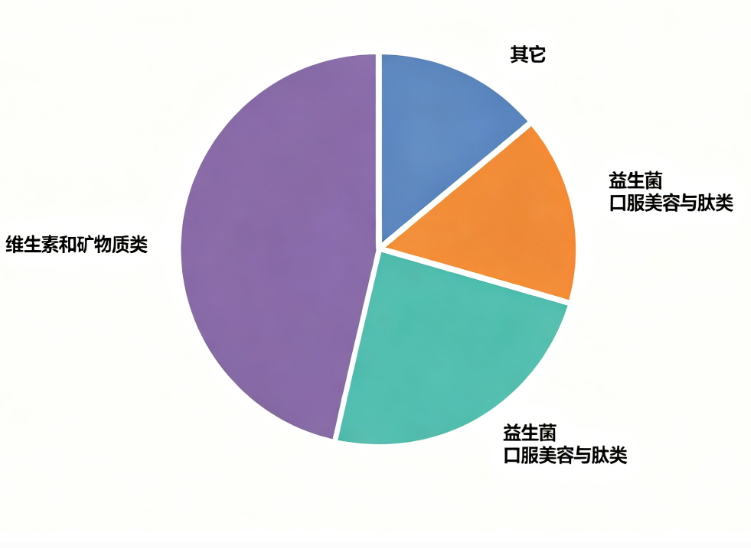
For those born in the late 1990s and 2000s, the consumer journey typically begins with "entry-level basic nutritional supplements." Products with low decision-making barriers, high daily utility, and a tasty, fun appeal are more likely to attract their first purchase. Based on comprehensive market data, the following three major categories have firmly secured their place on young people's top-choice lists thanks to their sales volume and market buzz.
I. Vitamins and Minerals: The Most Broad-Spectrum "Entry-Level Choice"
The vitamins and minerals category remains the cornerstone of the dietary supplement industry. By 2025, the Chinese market for this category is projected to reach 173.03 billion yuan, accounting for 55.4% of the entire industry. Notably, the 26–35 age group constitutes the core consumer base, representing 32% of total spending. For this demographic, taking supplements has become part of their daily routine—38% take them in the morning, and 31% maintain a daily regimen. Furthermore, in the world's largest supplement market, nearly half of Gen Z consumers (48%) have purchased basic products like vitamin C. Although this proportion is lower than that of older generations, the growth potential is extremely significant. Meanwhile, curcumin also ranks highly in the international market, topping the list with 8.5 million product searches in 2025, reflecting strong interest in its "anti-inflammatory and antioxidant" properties. It is followed by collagen (6.2 million searches), vitamin D (5.1 million searches), and protein powder (4.4 million searches).
II. Probiotics: From "Reactive Treatment" to "Proactive Health"
Gut health has become one of the key areas of focus for young consumers. According to Euromonitor International data, China's probiotics market is growing at an annual rate of 11% to 12%, and is projected to reach 137.7 billion yuan by 2026, with the online market for gut health probiotics already reaching 2.89 billion yuan. Consumer profiles show that core users are heavily concentrated among those aged 25 to 44, with women in first-tier and new first-tier cities (64.8%) dominating the market. As the concept of "preventing illness before it occurs" gains traction, probiotics have evolved from sporadic medical supplements to a new norm in household health management.
III. Oral Beauty Supplements and Peptides: "Beauty Management" Drives Strong Growth
The oral beauty sector has continued to gain momentum in recent years. Online sales of collagen peptide products reached 7.5 billion yuan in 2025, with an annual growth rate of 20%. In early 2026 alone, online annual sales of collagen peptide beverages exceeded 380 million bottles, with annual sales reaching 21.7 billion yuan; consumers cited "reliability of raw material sources" (38.6%) as the primary factor in their purchasing decisions. Particularly on the Douyin platform, peptide sales from January to November 2025 reached 2.14 billion yuan, a year-over-year increase of 53.3%. "Beauty through nutrition" has become a must-have practice for young women.
Three Key Drivers of "Entry-Level" Growth
①Snack-like Formulations Significantly Lower the Barrier to Repeat Purchases: Among 18- to 34-year-olds, the popularity of gummies is approaching that of tablets. Young people aren't opposed to buying nutritional supplements; they simply don't want to "take pills" anymore. Fruit-flavored gummies and ready-to-drink small bottles can naturally integrate into their daily lives.
②Natural from the First Bite: The number of "ingredient enthusiasts" on platforms like Xiaohongshu and Douyin has surged. Consumers love to scrutinize ingredient lists, and "ingredient transparency" has become the starting point for Gen Z's purchasing decisions.
③The "Early Adopter" Model of Youth and Health: Social media drives peer-to-peer trust and recommendations. Group workouts, early-to-bed check-ins, and high-energy supplements have created a community effect.
Focus on New Trends in Contract Manufacturing
To cater to the new consumer force of post-95s and post-00s, contract manufacturers should precisely target three key upgrade directions for "entry-level" products:
①Building on existing categories, introduce more scientifically advanced formulations: "Upgraded" vitamins utilize chelated minerals, active folic acid, and liposome encapsulation technology to simultaneously enhance absorption and user experience; probiotics combined with prebiotics and postbiotics deliver superior, holistic gut care.
②Formulations centered on "taste and portability": Our core dosage forms—softgels, hardgels, tablets, and powders—can be presented in more appealing ways for the youth market. For example, powders can be transformed into fun, functional drink mixes that enhance daily hydration, turning oral intake into a refreshing experience.
③Targeted functional segmentation + youthful scenario-based packaging: Addressing Gen Z pain points (late-night screen time, commuting energy boosts, social anxiety), we infuse each bottle or sachet of nutrition with traceable ingredients and a label of trust.
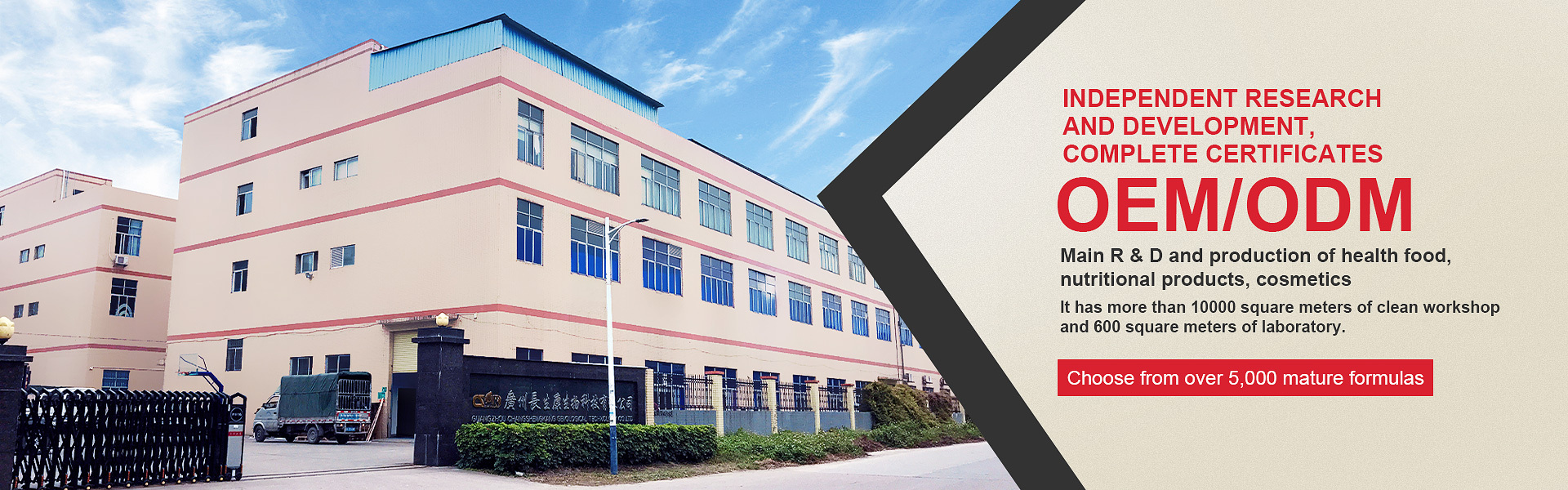
As a health supplement OEM/ODM manufacturer with 18 years of industry experience, we offer one-stop solutions ranging from ingredient innovation and formulation development to the final production of dosage forms. We strictly adhere to the quality standards of "compliance, stability, and transparency," enabling every "entry-level" brand client to enter the youth market more quickly. We welcome your inquiries and look forward to partnering with you to seize the opportunities presented by the post-95s and post-00s generations.
Important Note: Health supplements are not drugs and cannot replace medical treatment for diseases. Consumers should make informed choices based on their individual circumstances.