

 Date: 2026-10-15 Click:12 times
Why Softgels Are Ideal for Oil-Based Formulas? Understanding Softgel Formulation Requirements
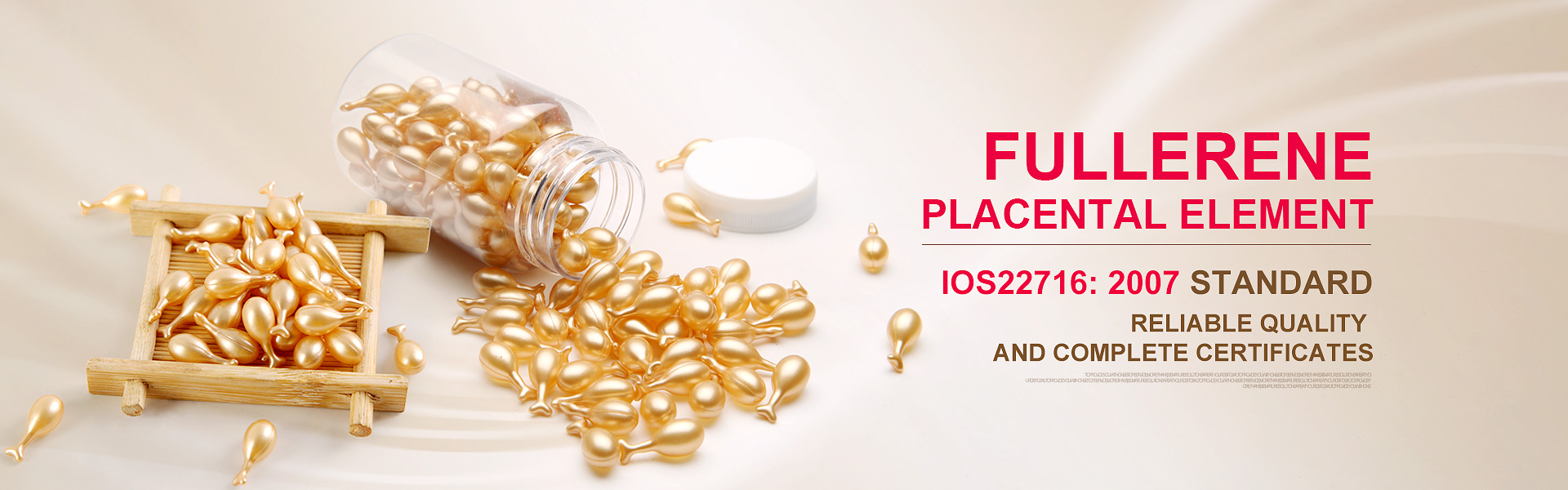
In the dietary supplement industry, more and more brands are choosing softgels for their private label and custom supplement projects. Softgels offer advantages such as easy swallowing, excellent sealing properties, attractive appearance, and suitability for liquid formulations. They are widely used for products including fish oil, botanical oils, fat-soluble vitamins, and various nutritional supplements.
However, during supplement formulation development, many customers discover that not every formula is suitable for softgel production. A common challenge occurs when a formula contains a high level of water-based ingredients or liquid ingredients with high moisture content.
The reason is closely related to softgel manufacturing technology and product stability requirements.
Why Are Softgel Fillings Mainly Oil-Based?
A softgel consists of two main parts: the softgel shell and the filling material. The shell is generally made from gelatin, plasticizers, and water, while the filling material needs to maintain good compatibility and stability.
Because the softgel shell already contains moisture, excessive water inside the filling formula may create several challenges:
1. Impact on Softgel Shell Stability
High moisture content may affect the physical properties of the shell, causing changes in texture, appearance, and long-term storage stability.
2. Formulation Compatibility Issues
Water-based ingredients and oil-based ingredients have different characteristics. If a formula cannot maintain a stable filling system, problems such as separation, precipitation, or uneven distribution of active ingredients may occur.
3. Reduced Product Stability
Excess moisture may accelerate the degradation of certain active ingredients and increase challenges in quality control. Therefore, softgel fillings usually require controlled moisture levels to maintain product quality and shelf life.
Which Ingredients Are Suitable for Softgel Manufacturing?
Softgels are especially suitable for oil-based, fat-soluble, or oil-dispersible ingredients, including:
· Fish oil, krill oil, flaxseed oil, and other nutritional oils;
· Fat-soluble vitamins such as vitamin and vitamin;
· Botanical extracts carried in oil-based systems;
· Coenzyme-based nutritional ingredients;
· Other lipid-soluble active compounds.
These ingredients can form stable liquid systems with oil carriers, making them ideal for softgel encapsulation.
Can Water-Containing Formulas Be Made into Softgels?
A formula containing water is not always impossible for softgel production. Each project requires evaluation based on ingredient ratio, raw material properties, and manufacturing technology.
For certain water-soluble nutrients, solutions may include reformulation, special carrier systems, powder filling technologies, or selecting another dosage form.
During supplement development, dosage form selection should consider:
· Raw material characteristics;
· Active ingredient stability;
· Formula compatibility;
· Manufacturing requirements;
· Transportation and storage conditions.
.jpg)
Professional Softgel Manufacturing Starts with Formula Evaluation
With extensive experience in supplement manufacturing, we provide custom manufacturing solutions for global brands, including softgels, hard capsules, tablets, and powders.
At the early stage of product development, our team evaluates formulas based on ingredient characteristics, market requirements, and production feasibility. We help customers select the most suitable dosage form and create stable, high-quality supplement products.
Choosing the right dosage form is a critical step in developing successful nutritional supplements. For oil-based formulas, softgels remain one of the most effective and mature solutions.